E-mail: admin@saifutd.com Tel: 86-13598853789
E-mail: admin@saifutd.com Tel: 86-13598853789
news
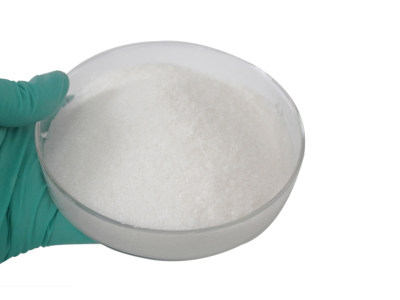
In recent days, the domestic chemical market has maintained its upward pricing trajectory; prices for various basic chemical raw materials continue to climb. Against this backdrop, market quotations for Polyacrylamide (PAM)—a key niche product within the chemical sector—have risen in tandem. Both upstream and downstream segments of the industry have been affected to varying degrees, drawing widespread attention across the market.
Reportedly, the primary driving force behind this latest wave of chemical raw material price hikes stems from the high-level volatility of international crude oil prices. Influenced by uncertainties surrounding geopolitical conflicts, international oil prices have fluctuated significantly in the recent period. As the "source raw material" of the chemical industry chain, rising crude oil prices directly drive up the costs of downstream basic chemical raw materials. Consequently, prices for various products—including propylene, olefins, and polyether polyols—have all experienced varying degrees of increase. This cost pressure is being transmitted downward, layer by layer, along the industry chain, thereby laying the foundation for the price increases observed in polyacrylamide.
In addition to the impetus provided by crude oil prices, shifts in the supply-demand dynamics within the polyacrylamide industry chain itself have further exacerbated this upward pricing trend. The core precursor for polyacrylamide is acrylamide monomer (AM), the production of which relies heavily on the acrylonitrile route. Recently, however, a confluence of factors—including concentrated maintenance shutdowns at global acrylonitrile plants, production cuts by certain overseas suppliers, and increasingly stringent domestic carbon emission verification standards—has restricted the effective release of acrylamide monomer capacity. This has widened the supply gap and directly driven up the production costs for polyacrylamide. Concurrently, the implementation of relevant environmental protection standards by the Ministry of Ecology and Environment has compelled small and medium-sized polyacrylamide manufacturers to upgrade their environmental equipment and enhance product quality. This process has accelerated the elimination of some lower-end production capacity, resulting in a tightening supply of high-quality capacity in the market—a factor that further reinforces the upward trend in prices.
In terms of market performance, since the beginning of 2026, the domestic polyacrylamide market has demonstrated a sustained strengthening trend. Quotations for mainstream product grades have generally been revised upward, with price increases for anionic PAM being particularly pronounced. Currently, polyacrylamide quotations in the market are being adjusted in real-time to reflect fluctuations in raw material prices. Several enterprises have already issued price adjustment notices in response to changing costs, aiming to alleviate the operational pressures resulting from rising raw material expenses; this trend mirrors the broader wave of price adjustments currently sweeping across the entire chemical industry. Industry analysts point out that the current rise in polyacrylamide prices is the result of the interplay of multiple factors. In the short term, trends in international oil prices, shifting geopolitical dynamics, and refinery maintenance schedules will continue to be the primary drivers of price movements; should geopolitical conflicts remain unresolved, prices across the chemical industry chain are likely to maintain a relatively strong trajectory. From a medium-to-long-term perspective, as industry environmental standards continue to tighten and the demand structure within downstream applications undergoes upgrading, the polyacrylamide market will increasingly consolidate around high-quality production capacity, and price trends will gradually revert to an equilibrium driven by fundamental supply-and-demand dynamics.
Polyacrylamide is widely utilized across various sectors—including water treatment, papermaking, oilfield exploration, and mining and metallurgy—and a rise in its price directly impacts the production costs of downstream industries. Currently, downstream end-users are actively adjusting their procurement strategies; some companies are hedging against the risks associated with price volatility by engaging in bulk purchasing or entering into long-term supply agreements with vendors. Concurrently, numerous manufacturers are accelerating technological upgrades—optimizing production processes and enhancing raw material utilization efficiency—to alleviate cost pressures and foster high-quality development within the industry.
Moving forward, the market will continue to closely monitor trends in international oil prices, evolving geopolitical landscapes, and policy adjustments within the domestic chemical industry. It will also track supply-and-demand dynamics across the polyacrylamide value chain in real time, providing timely updates on price fluctuations and broader industry development trends.
In recent days, the domestic chemical market has maintained its upward pricing trajectory; prices for various basic chemical raw materials continue to climb. Against this backdrop, market quotations for Polyacrylamide (PAM)—a key niche product within the chemical sector—have risen in tandem. Both up

As spring breezes bring warmth and beauty blossoms, to celebrate the 116th International Women's Day and pay tribute to the hard work and dedication of all female employees, the company meticulously organized a handicraft making activity for all female colleagues on March 8th. Through creative t