E-mail: admin@saifutd.com Tel: 86-13598853789
E-mail: admin@saifutd.com Tel: 86-13598853789
news
Polyacrylamide is a high molecular polymer product widely used in industry. Its main functions are flocculation, drag reduction, thickening, bonding and so on. Currently the most widely used areas are oil fields and water treatment industries. In many introduction materials, the toxicity description of polyacrylamide is mostly non-toxic or low toxicity. Relevant data show that polyacrylamide is non-irritating to the skin (varies from person to person), and its raw material acrylamide has neurotoxicity, genotoxicity, reproductive toxicity and potential carcinogenicity. A major concern with the toxicity of polyacrylamides is the residue of unpolymerized monomers. With the continuous improvement of the production process level, the residual monomer can be almost ignored.
Some cosmetics also contain polyacrylamide ingredients, but most of them are in very small amounts. Most of the inquired information and data show that polyacrylamide itself is basically non-toxic, because after entering the human body, most of it is excreted in a short time and is rarely absorbed by the digestive tract. If skin comes into contact with it, simply wash off with plenty of water. If you experience other discomfort, address it right away.
Note: Even if it is a safe and non-toxic product, long-term accumulation will cause corresponding harm. Therefore, if it is long-term contact, corresponding protective measures should be taken to avoid direct skin contact with polyacrylamide.
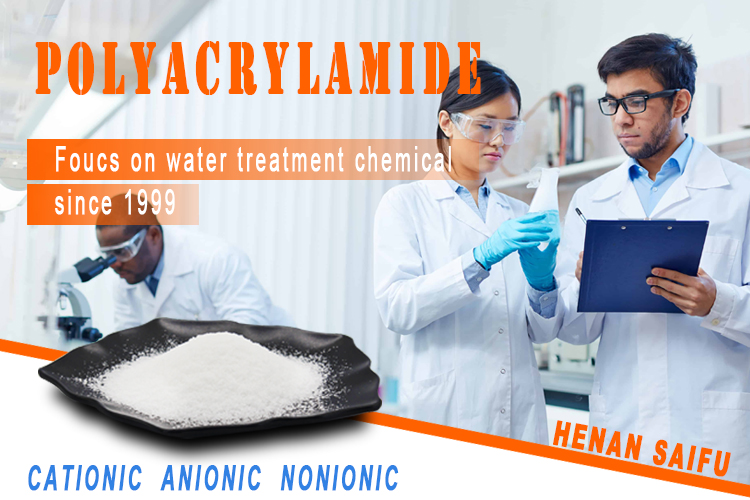
Combined Use of Polyaluminum Chloride and Polyacrylamide to Treat Sewage
The difference between polyaluminum chloride and polyferric sulfate
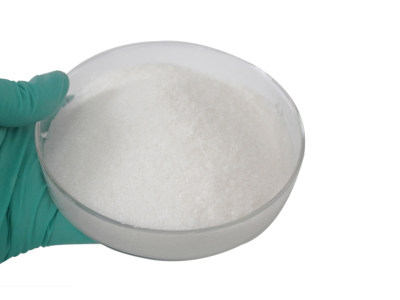
In recent days, the domestic chemical market has maintained its upward pricing trajectory; prices for various basic chemical raw materials continue to climb. Against this backdrop, market quotations for Polyacrylamide (PAM)—a key niche product within the chemical sector—have risen in tandem. Both up
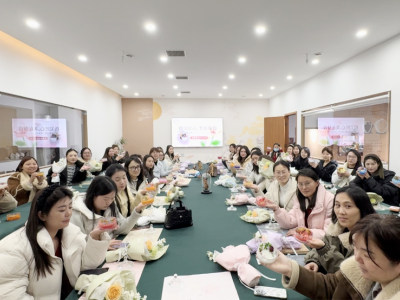
As spring breezes bring warmth and beauty blossoms, to celebrate the 116th International Women's Day and pay tribute to the hard work and dedication of all female employees, the company meticulously organized a handicraft making activity for all female colleagues on March 8th. Through creative t