E-mail: admin@saifutd.com Tel: 86-13598853789
E-mail: admin@saifutd.com Tel: 86-13598853789
news
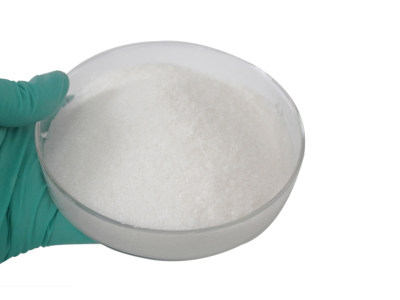
Polyferric sulfate (PFS) is a high-performance inorganic polymer flocculant. Thanks to its strong flocculating properties, stability, and wide applicability, it plays a crucial role in various fields such as water treatment, light industry manufacturing, and chemical production, making it a practical and economical industrial additive.
1. Core Application Areas: High-efficiency chemicals for water treatment.
In the field of water treatment, polyferric sulfate is a recognized high-efficiency water purification agent. Its mechanism of action involves hydrolysis reactions to generate multinuclear hydroxyl complex ions. These ions rapidly adsorb suspended particles and colloidal impurities in water, while simultaneously compressing the colloidal double layer, promoting the aggregation of impurities into large, dense flocs (alum flocs), thereby achieving solid-liquid separation through sedimentation or filtration.
(1). Treatment of drinking water: For impurities such as sand, humus, and algae in raw water, polyferric sulfate can efficiently flocculate and clarify the water. The treated water has low residual iron ion content, meeting drinking water safety standards, and is especially suitable for the purification of low-temperature and low-turbidity water.
(2). Industrial wastewater treatment: Widely used in wastewater treatment in industries such as printing and dyeing, electroplating, metallurgy, and chemical engineering. It can not only remove suspended particles and organic matter from wastewater, but also specifically treat wastewater containing phosphorus and heavy metal ions – through complexation and precipitation, converting phosphorus into insoluble phosphates and heavy metal ions into hydroxide precipitates, effectively reducing the concentration of pollutants in wastewater and helping to achieve compliance with discharge standards.
(3). Sludge dewatering conditioning: In the sludge treatment process, polyferric sulfate can be used as a sludge conditioner to improve the dewatering performance of sludge. It neutralizes the negative charge of sludge colloids, destroys the stable structure of the sludge, causing sludge particles to aggregate, significantly improving the efficiency of pressure filtration and reducing the water content of the sludge.
2. Light Industry Manufacturing: A "Performance Enhancer" for Production Processes
(1). Pulp and Paper Industry: As a highly effective deinking agent, polyferric sulfate plays a crucial role in waste paper recycling. It reacts with ink particles in waste paper, causing rapid flocculation and sedimentation of the ink, thus separating the pulp from the ink and improving the purity of the recycled pulp. It can also be used as a wet-end additive in papermaking, enhancing the bonding strength of paper fibers and improving the strength and stiffness of the paper.
(2). Cellulose Product Processing: In the production of cellulose boards and fiber fabrics, polyferric sulfate can be used as a modifier and bonding agent. Its addition significantly improves the corrosion resistance, wear resistance, and flame retardancy of cellulose materials, optimizing the physicochemical properties of the products. Furthermore, its thickening effect improves the molding performance of the pulp and enhances the molding quality of the products.
3. Chemical and Materials Fields: Multifunctional "Functional Raw Materials"
(1). Dye Industry: It is one of the core raw materials for preparing iron-based dyes. Based on polyferric sulfate, inorganic pigments such as iron red and iron yellow can be produced through modification reactions. These pigments have bright colors and strong weather resistance, and are widely used in textile dyeing, paint manufacturing, and architectural decoration.
(2). Metal Surface Treatment: It possesses excellent corrosion inhibition and film-forming properties and can be used as a metal surface pretreatment agent. By preparing it into a solution of a specific concentration and applying or immersing metal workpieces in it, a dense protective film can be formed on the metal surface, effectively isolating corrosive media such as air and moisture, preventing metal oxidation and rusting, and simultaneously improving the adhesion of subsequent coatings.
(3). Other Emerging Fields: In catalyst preparation, polyferric sulfate can be used as an iron source carrier for synthesizing efficient and environmentally friendly catalysts; in the field of battery materials, after purification and modification, it can be used as a precursor for lithium-ion battery cathode materials; in addition, in the agricultural field, it can also be used as an additive for trace element fertilizers to supplement iron elements for plants and improve symptoms of iron deficiency chlorosis in plants.
Conclusion
Polyferric sulfate possesses multiple functions, including flocculation, precipitation, modification, and corrosion inhibition, and has become a widely used industrial material, applied in various fields such as water treatment, light industry, and chemical engineering. With continuous technological advancements, its application scenarios are constantly expanding, especially in the context of increasingly stringent environmental regulations. The potential of polyferric sulfate in advanced wastewater treatment and solid waste resource utilization will be further unleashed, providing strong support for the green and efficient development of industrial production.
In recent days, the domestic chemical market has maintained its upward pricing trajectory; prices for various basic chemical raw materials continue to climb. Against this backdrop, market quotations for Polyacrylamide (PAM)—a key niche product within the chemical sector—have risen in tandem. Both up

As spring breezes bring warmth and beauty blossoms, to celebrate the 116th International Women's Day and pay tribute to the hard work and dedication of all female employees, the company meticulously organized a handicraft making activity for all female colleagues on March 8th. Through creative t